A dozen outdoorsy sites scattered throughout Texas' vast landscape have been crowned the best places to camp in the U.S. And one of them is right outside Dallas-Fort Worth.
The 2026 Hipcamp Awards identified the places that Hipcamp users loved the most based on an analysis of bookings, ratings, and reviews across more than 500,000 campsites from August 2025 to August 2026. The featured campgrounds are "a celebration of the [h]osts who consistently offer some of the most incredible camping experiences in the world."
"There are thousands of incredible places to camp on Hipcamp, so being recognized in the Awards is a genuinely high bar," said Alyssa Ravasio, CEO and Founder of Hipcamp, in a release. "These are places that have earned exceptional feedback again and again, and we’re excited to give the Hosts behind them the recognition they deserve."
North Texans will recognize one winner on the list: Llama Land Ranch in Tool, a property just a short drive from Fort Worth where llamas and other wildlife roam free on 101 acres of land. Earlier this summer, the ranch was named one of America's 50 favorite camping spots, thanks to its affordability and variety of campsites, which are a mix of tent-only, RV/tent, and RV-only sites.
"From the moment we arrived, everything felt peaceful, welcoming, and thoughtfully set up," wrote one reviewer. "The campsite itself is beautiful, clean, and well-maintained, with just the right balance between comfort and nature. Waking up to the fresh air and scenic surroundings was incredibly relaxing. The highlight, of course, was the llamas—they were adorable, friendly, and added such a special touch to the entire stay."
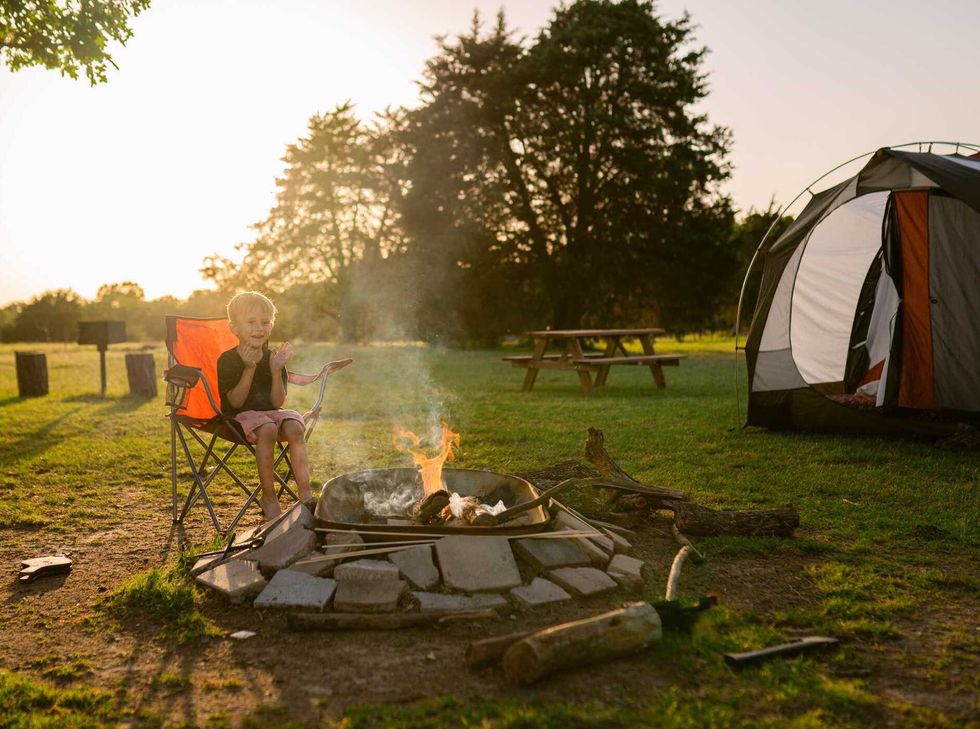
 S'mores cooked over a fire are a must-have treat, regardless of how hot it is outside.Photo courtesy of Hipcamp
Campers that recommend the ranch don't only rave about the llamas. Many reviews also praise the owner, Judy, whose family has owned the property for almost 40 years.
"Judy was a fantastic host — kind, responsive, and clearly passionate about what she’s created," the review continued. "She made sure we had everything we needed and offered helpful tips to make the most of our visit. If you’re looking for something different from a typical camping trip, this is the perfect spot."
Fort Worth travelers that want to venture deep into the woods of East Texas can book a private yurt at The Ranch at Beulah. This expansive ranch is located in Elkhart, about 150 miles southeast of Fort Worth, or a 2.5-hour drive away. Campers can roam the ranch trails, fish or swim in the nearby creeks, play a game at the volleyball pit, practice their aim at the tomahawk throwing range, or bake a delicious pizza in the outdoor kitchen equipped with a pizza oven.
Yurts range from $150-$204 per night, and reviewers highlight that the ranch is great for families, kids, and pets.
"We had a great weekend get-away from the city," one review said. "Noah made us feel so welcome and we had everything we needed. The dogs had a fun time and we enjoyed listening to the frogs serenade us at night."
The other award-winning best places to camp in the Lone Star State are:
- Hill Country Nature Retreat, Blanco
- Boulderdash Cabin & Camping, Bandera
- Camping Near Hamilton Pool, Dripping Springs
- River Grove Campground, Gonzales
- Laf Ranch, Medina
- Circle C CampGrounds, Montgomery
- 5D Ranch, Navasota
- Colorado RiverBend Retreat, Smithville
- The Best Dam Spot, Staples
- Temple of the Bird, Terlingua

 S'mores cooked over a fire are a must-have treat, regardless of how hot it is outside.Photo courtesy of Hipcamp