With the holidays still going strong, there will be relatively few new events taking place in and around Fort Worth this long New Year's weekend. Choices include New Year's Eve celebrations, two college football games, two comedians, two concerts, the final days of holiday-themed events, and the last chance to see a notable art exhibition.
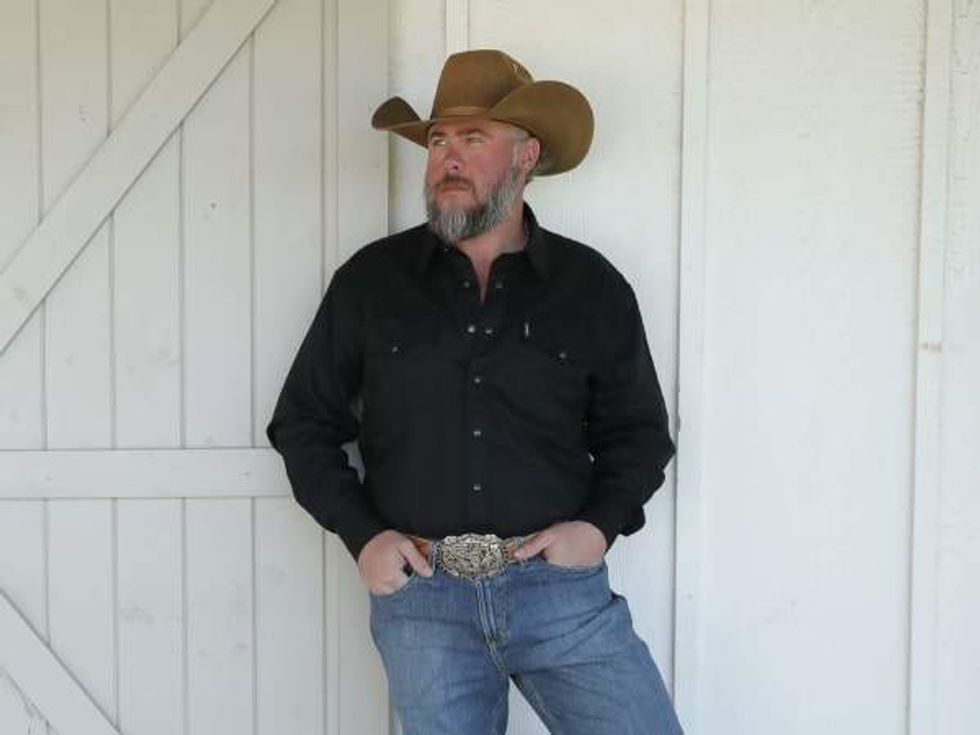
Photo courtesy of Josh Ward
Below are the best ways to spend your free time this New Year's weekend. If you want more options, check out the calendar for an even longer list of the city's best events.
Wednesday, December 31
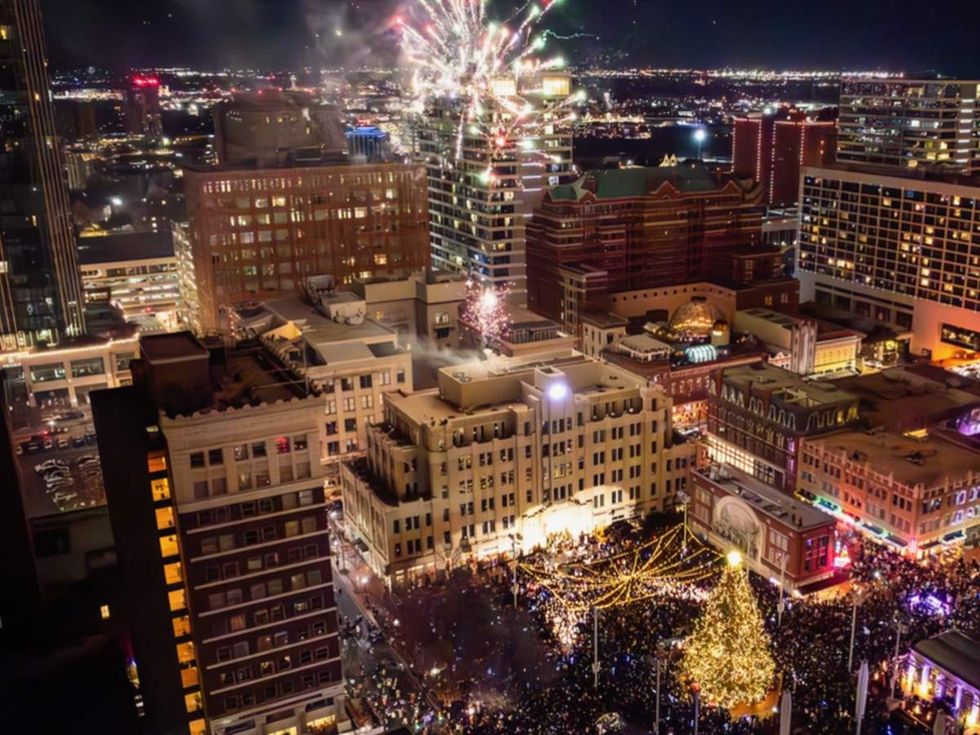
New Year's Eve celebrations
There are plenty of different ways to celebrate the end of 2025 and the beginning of 2026, and we've helpfully compiled 10 of the most interesting options on this list. Need New Year's Eve dinner plans? Find restaurants doing something special here. Start the evening with a champagne toast at one of these bars. For more choices, head to our calendar.
Goodyear Cotton Bowl Classic
The annual Goodyear Cotton Bowl Classic will also serve as a quarterfinal game in the 2025 College Football Playoff. After a first-round win by the No. 10 seed Miami Hurricanes over Texas A&M, they will take on the No. 2 seed Ohio State Buckeyes at AT&T Stadium. The winner will move on to play either Georgia or Ole Miss at the Fiesta Bowl on January 9.
Thursday, January 1
Happy New Year! Start 2026 off right with brunch at a local restaurant. Here are some options around Fort Worth. Or head out of town and take a first day hike at at state park.
Friday, January 2
Lockheed Martin Armed Forces Bowl: Rice vs. Texas State
The stakes aren't quite as high at the annual Lockheed Martin Armed Forces Bowl, but fans will get to see two plucky Texas teams go up against each other. The Rice Owls of the American Conference and the Texas State Bobcats of the Sun Belt Conference will play for some state pride at Amon G. Carter Stadium on the TCU campus.
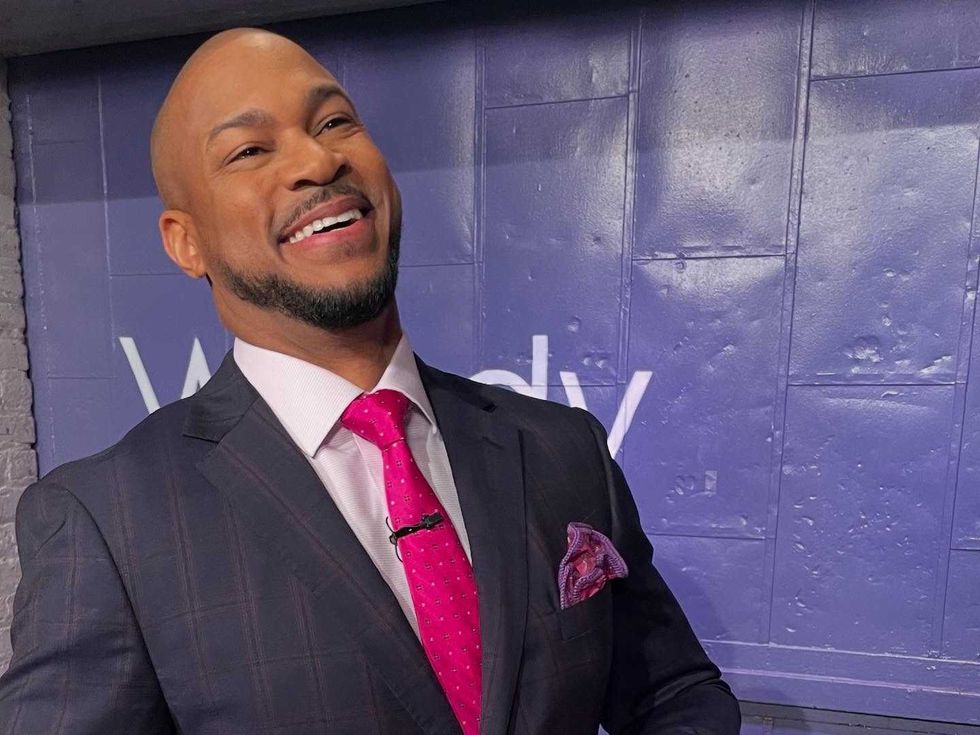
Improv Arlington presents Finesse Mitchell
Finesse Mitchell is a multi-faceted actor, author, and stand-up comedian who entered the comedy scene with appearances on BET’s Comic View and Comedy Central. In 2003, he joined the cast of Saturday Night Live. Mitchell has four one-hour comedy specials under his belt, including Slightly Offensive in 2025. He also produces a weekly podcast, Understand This with Finesse Mitchell. He'll perform five times through Sunday at Improv Arlington.
Hyena's presents Daryl Felsberg
There is no mistaking when Daryl Felsberg is on stage, as the larger-than-life comic commands a room everywhere he goes. His storytelling approach, littered with jokes and heaps of laughs, always has a big payoff. His sarcasm is as rich and thick as his brisket-infused bloodstream. He'll perform four times through Saturday at Hyena's Comedy Nightclub.
The Damn Quails in concert
In the early-to-mid 2010s, the Damn Quails were a rising Red Dirt country group. But a fight with their record label and other issues led them to go on an indefinite hiatus in 2016. Against the odds, the group - led by Gabe Marshall and Bryon White - made a comeback in 2022 with a new album, Clouding Up Your City. They'll play at Billy Bob's Texas.
Saturday, January 3
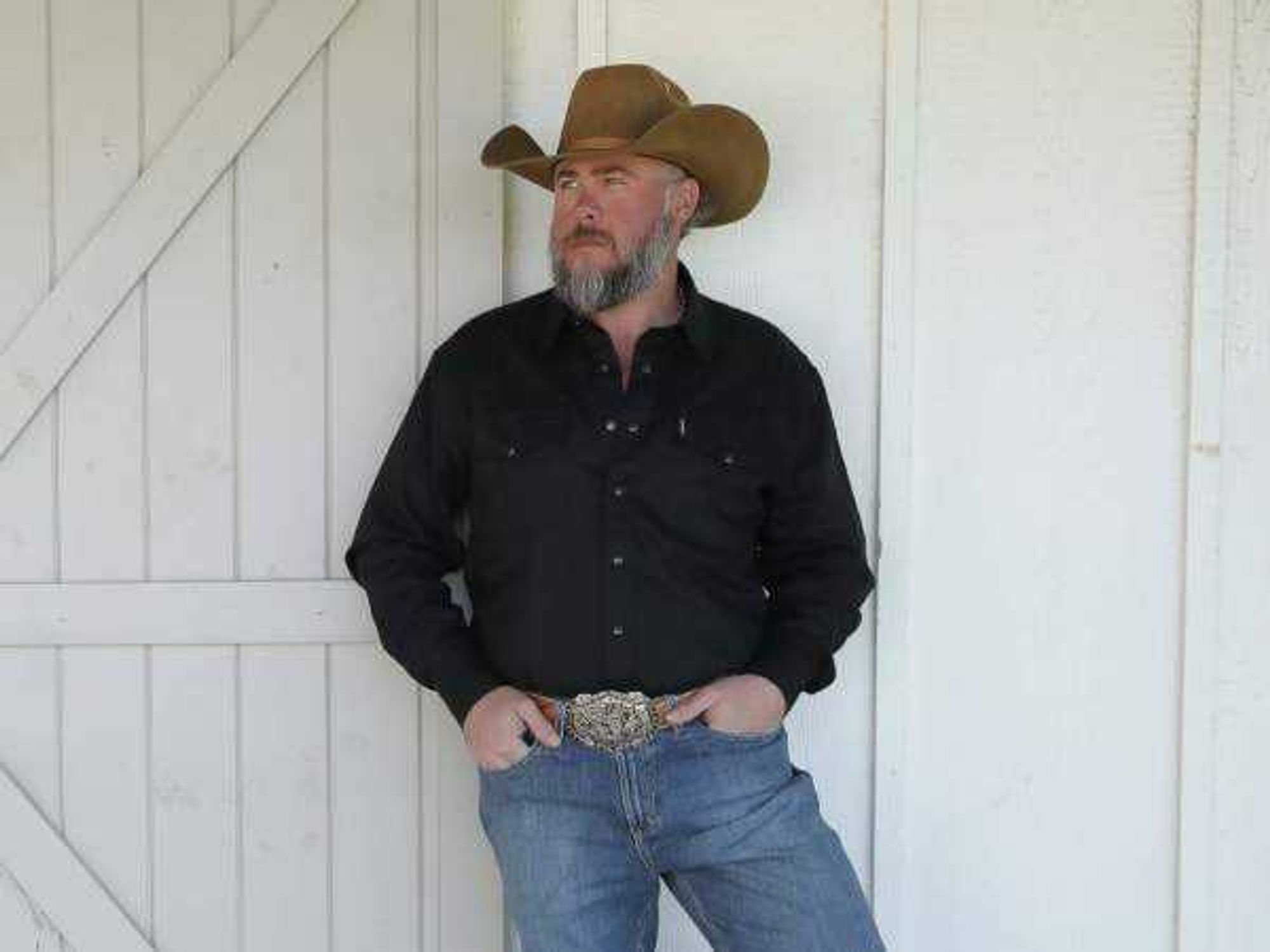
Josh Ward in concert
Country singer Josh Ward has had a big presence in the Texas country music world over the past 15 years or so. Over that time, he's released five albums (including 2019's Live at Billy Bob's) and charted nine consecutive No. 1 songs in the state. He'll return to one his favorite venues, Billy Bob's Texas, for another turn at entertaining the masses.
Sunday, January 4
Last chance for holiday events
Sunday will be the final day to participate in most of the holiday-themed events in and around Fort Worth, including Ice featuring Elf at Gaylord Texan in Grapevine, Snowland at Great Wolf Lodge Grapevine, Stockyards Rodeo Rink at Fort Worth Stockyards, Phenomenomaly at Meow Wolf in Grapevine, Christmas in the Garden at Fort Worth Botanic Garden, and The Light Park in Arlington, among others.
Amon Carter Museum of American Art presents Jean Shin: "The Museum Body" closing day
Sunday will be the final day to view Jean Shin: "The Museum Body" at the Amon Carter Museum of American Art. Shin transformed one of the Amon Carter Museum of American Art’s first-floor gallery spaces with a site-specific installation in which she created a textile-based “portrait” of the Museum’s staff members, both those visible and invisible to the general public, who enable a museum to function. The installation consists of donated garments intended to represent the collective work of the people within the institution.