
The next time you fly through Dallas Fort Worth International Airport, you might bump into the U.S. Transportation Security Administration’s new top dog.
No, we’re not talking about the TSA’s top boss. We’re talking about a doggone cute canine.
Bolt, a three-year-old, brown-coated German shorthaired pointer, just won the TSA’s annual Cutest Canine Contest. All entrants in the contest were TSA bomb-sniffing dogs.
Travelers voted on social media for the agency’s most precious pup, choosing from among four finalists in different regions of the U.S. TSA canine handlers at U.S. airports initially nominated 85 dogs. Agency employees then voted online to whittle the list to four finalists.
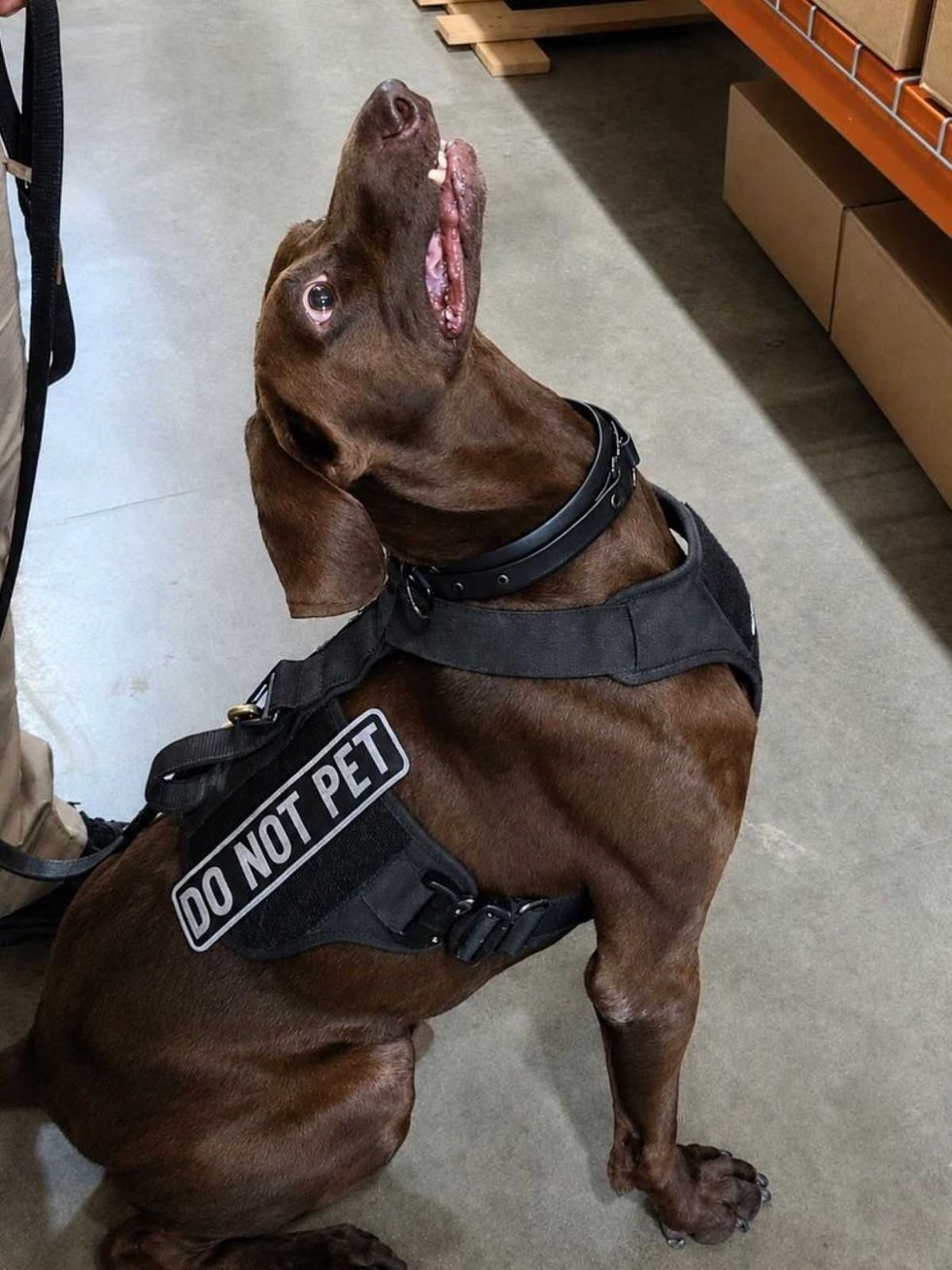 Bolt is a three-year-old, brown-coated German shorthaired pointer.Photo courtesy of TSA
Bolt’s handler, Daphne Wang, describes him as “such a character and a hard-working little guy.”
“He absolutely loves his job and coming to work,” Wang says in a release.
“I am so happy he gets to show the world his quirky personality. It’s definitely an adventure working with Bolt every day,” she adds. “There is nothing ordinary about him. He works hard and plays even harder. He is always in working mode, even at home. He is never short on energy and is always 1,000 percent excited to go to work.”
WebMD describes German shorthaired pointers like Bolt as a “loyal and loving breed” known for its hunting prowess.
“They’re intelligent and full of energy, so they won’t be happy lazing about all day,” says WebMd.
TSA canines like Bolt and their handlers move through groups of people to sniff out the odor of explosives. A handler learns to notice subtle changes in their canine’s behavior if an explosive device appears to have aroused the dog’s senses.
“Explosives-detection canine teams are one of TSA’s most effective and visible layers of security,” says TSA Administrator David Cummins. “These highly trained dogs and their handlers help detect threats in dynamic transportation environments, deter potential attacks, and give travelers confidence that TSA is using proven, adaptable capabilities to protect the traveling public.”
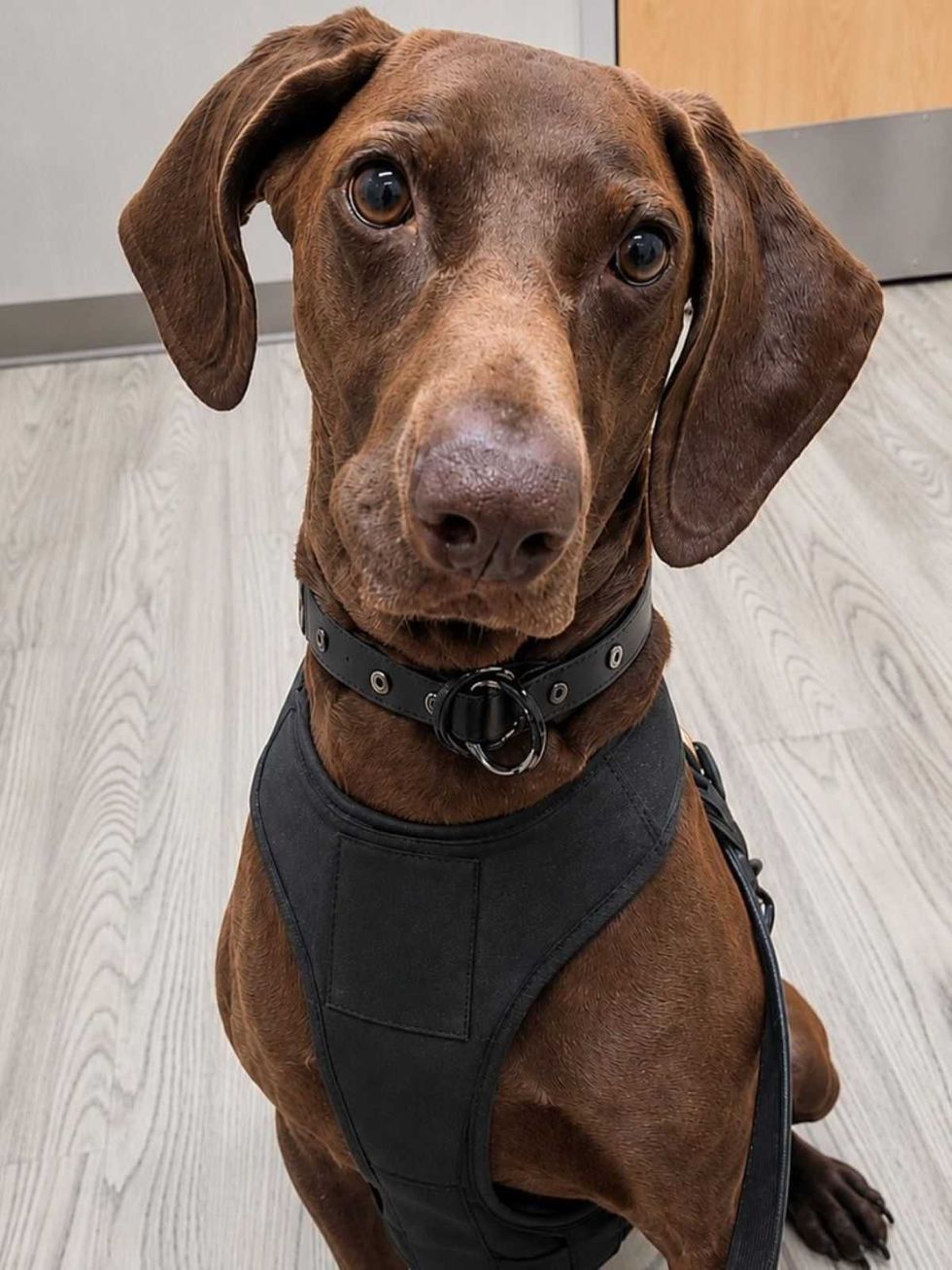 Bolt moves through groups of people to sniff out the odor of explosives. Photo courtesy of TSA
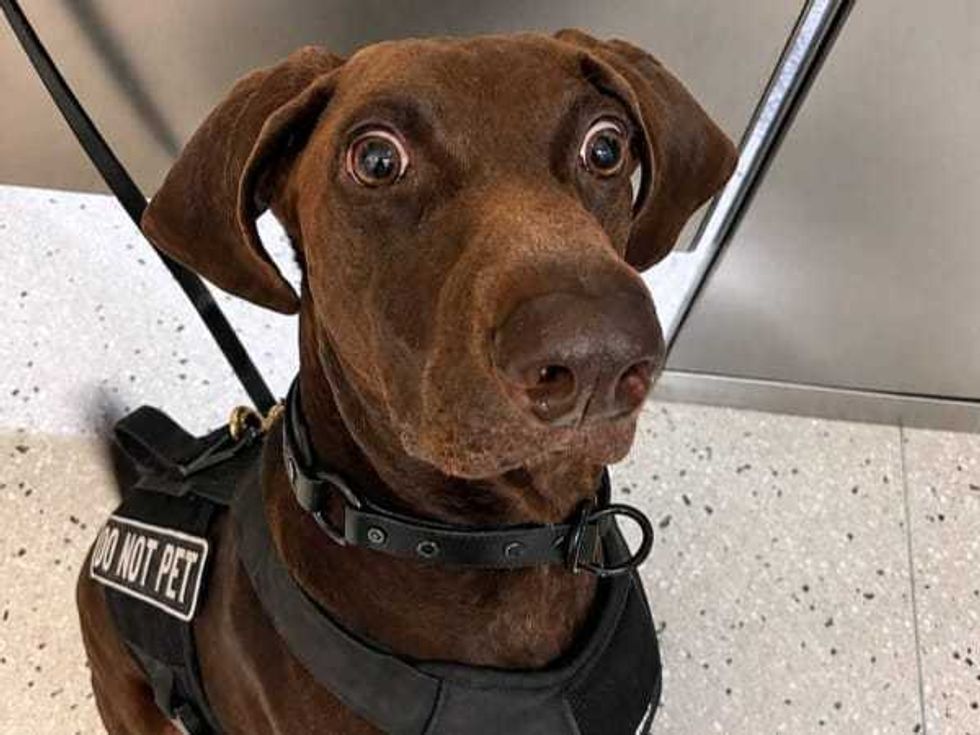
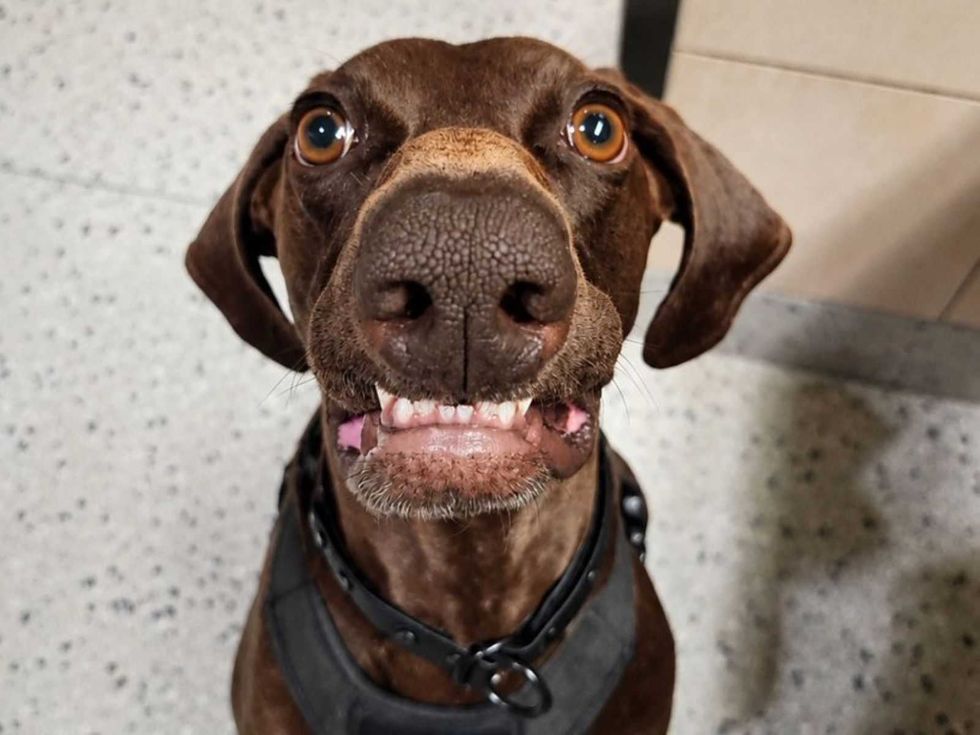
TSA canines and handlers undergo training at a facility in San Antonio.
The federal government launched canine training in 1972. The training program came under TSA’s control following the 9/11 terrorist attacks.
TSA-led bomb-sniffing teams began by screening air cargo in 2008. Three years later, the agency expanded the program to include passengers.
“Canines are an essential part of our team at TSA,” says Ha Nguyen McNeill, the agency’s deputy administrator. “As cute as Bolt and our other canines are, the work they do is vital for TSA’s national security mission.”

 Perot Field Fort Worth Alliance Airport served as the launchpad for a statewide air taxi pilot program. Photo courtesy of TXDot