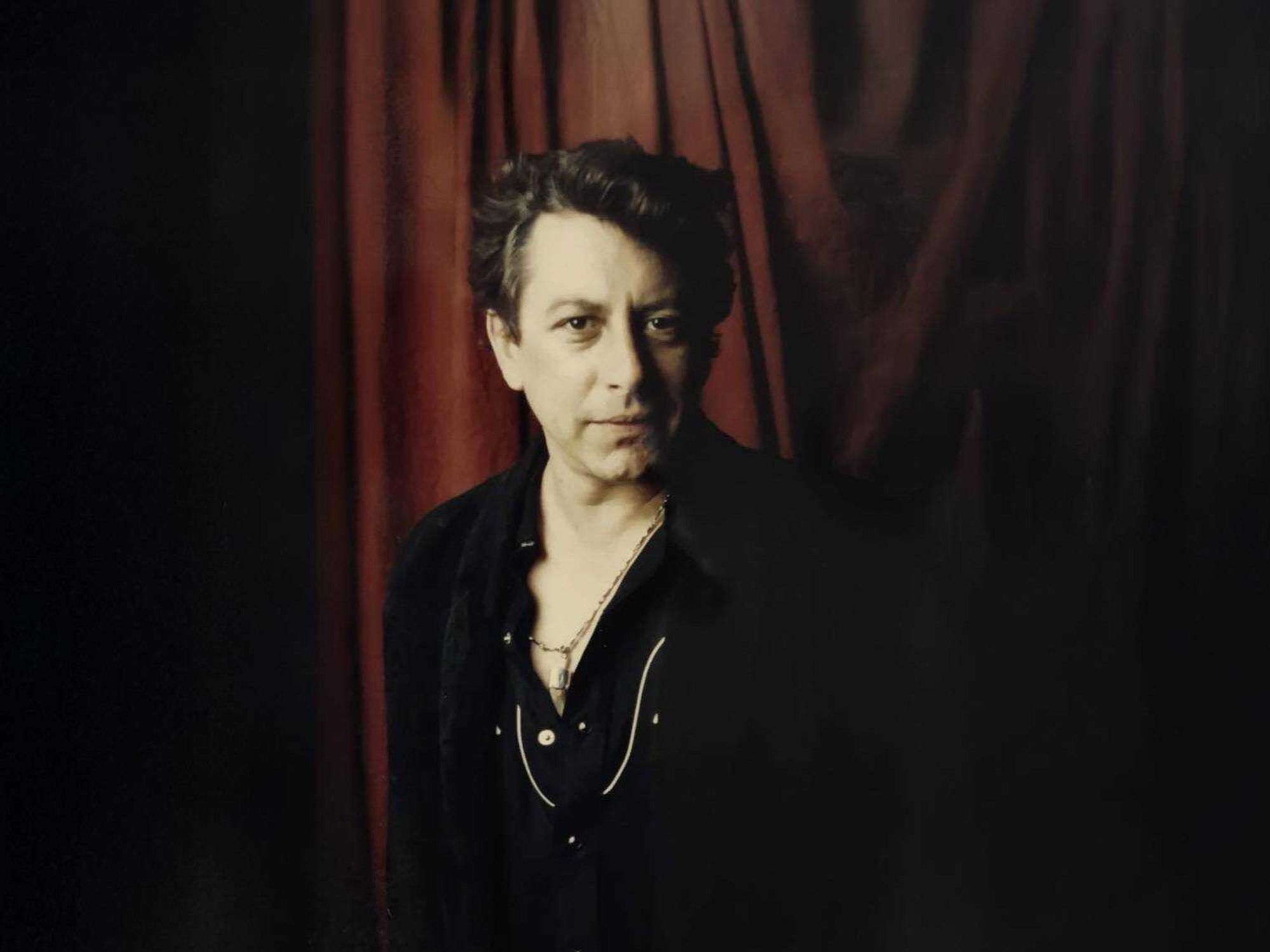
Joe Ely, the legendary songwriter, singer, and storyteller whose career spanned more than five decades, has died from complications related to Lewy Body Dementia, Parkinson’s disease, and pneumonia. He was 78.
According to a statement posted to his Facebook page, Ely died at his home in Taos, New Mexico, with his wife Sharon, and daughter Marie, at his side.
Born February 9, 1947, in Amarillo, Texas, Ely was raised in Lubbock and became a central figure among a generation of influential West Texas musicians. He later settled in Austin, helping shape the city’s reputation as a hub for live music.
"Joe Ely performed American roots music with the fervor of a true believer who knew music could transport souls," said Kyle Young, CEO of the Country Music Hall of Fame and Museum.
In the 1970s, Ely signed with MCA Records, launching a career that included decades of recording and touring around the world. His work and performances left a lasting impact on the music scene and influenced a wide range of artists, including the Clash and Bruce Springsteen, according to Rolling Stone.
"His distinctive musical style could only have emerged from Texas, with its southwestern blend of honky-tonk, rock & roll, roadhouse blues, western swing, and conjunto. He began his career in the Flatlanders, with fellow Lubbock natives Jimmie Dale Gilmore and Butch Hancock, and he would mix their songs with his through 50 years of critically acclaimed recordings."
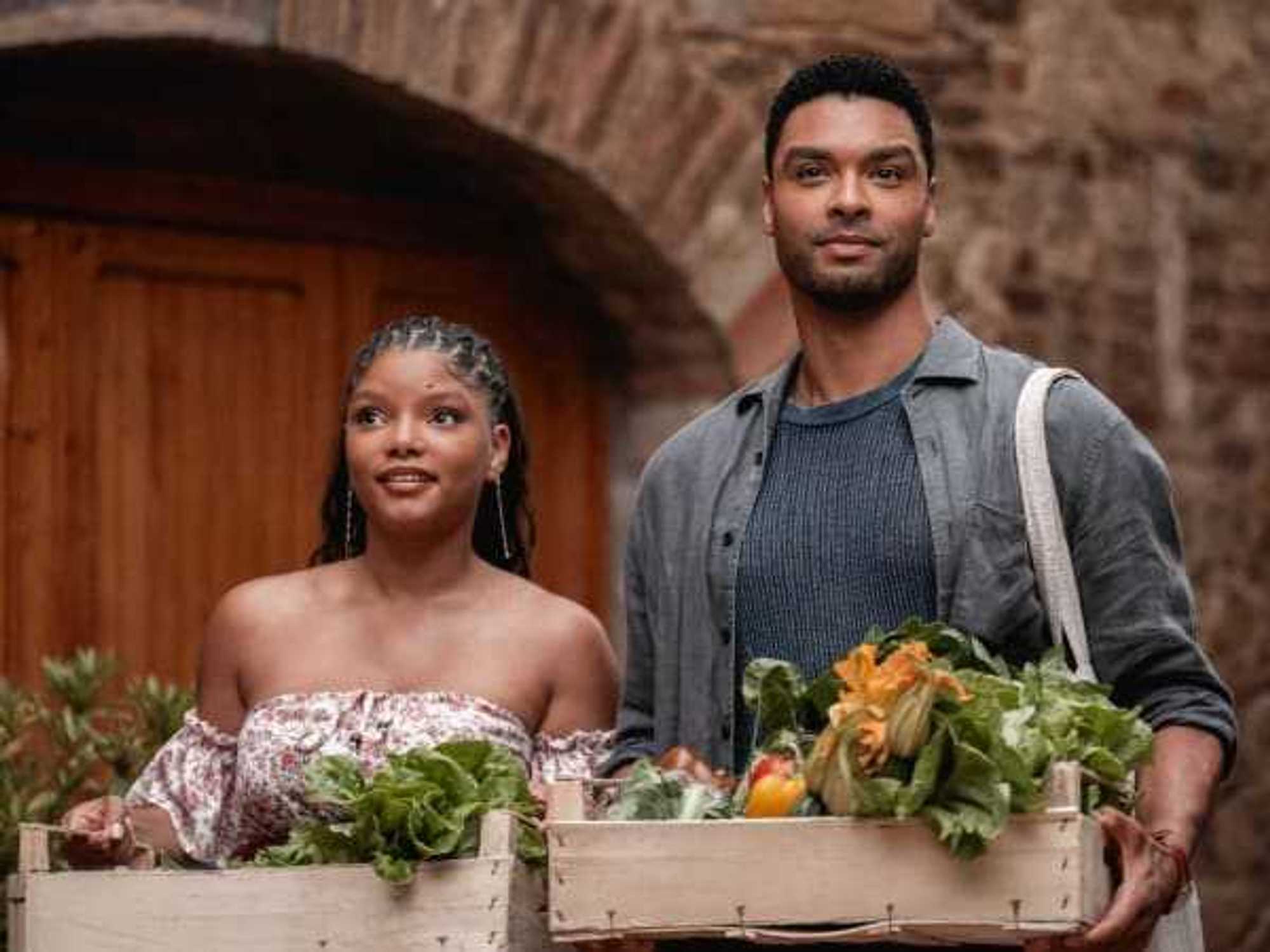
Halle Bailey and Regé-Jean Page in You, Me & Tuscany.
The romantic comedy has become an endangered species in movie theaters, as most of those that are released these days go to streamers like Netflix. While there have been a few recent successful rom-coms in theaters, they are few and far between. All of which is to say that a movie like the new You, Me & Tuscany faces an uphill battle before it’s even released.
Halle Bailey (The Little Mermaid) stars as Anna, a former culinary school student who’s struggling in the wake of her mother's death. When she has a chance meeting with an Italian man named Matteo (Lorenzo de Moor) in New York, her dream of going to the Italian region of Tuscany is reignited. Using her last $500 and a plane ticket her mom bought her, she makes her way to Italy looking for an adventure.
With nowhere to stay and knowing Matteo’s villa is unoccupied, she finds a key and makes herself at home. When she finds an engagement ring soon before she’s discovered by Matteo’s family, she decides to pretend to be his fiancée. The more time she spends with them, the bigger the lie becomes, especially when she starts falling for Matteo’s adopted brother, Michael (Regé-Jean Page).
Directed by Kat Coiro and written by husband-and-wife team Ryan and Kristin Engle, the film at times feels like it’s not even trying to be good. While the set-up of the premise is okay, the story quickly turns into an eye-rolling mess when Anna shows up in Italy. Not one bit of the character’s story is believable, and even though Michael catches her in an early lie, every member of the family accepts her at face value despite the abundant red flags.
Of course, many rom-coms are not based in reality, and the filmmakers lean into the genre’s tropes, almost as if they were saying, “We know this makes no sense - just roll with it!” Surprisingly, the gambit works for the most part, as the odd pairing of an American woman, an English-Italian man, and his fully Italian family is enjoyable despite the many groan-worthy moments they produce. The sweet way in which the family brings in a woman still going through grief almost balances out the shoddy way in which the story is told.
Naturally, there are precisely zero surprises about where the plot is heading, as Anna and Michael grow closer despite knowing they should resist the other. Strangely, though, the filmmakers don’t go all-in on the budding relationship, choosing to slow-roll things save for one notable sexy scene in a vineyard. Coiro and the Engles play up the family aspect as much as the romance aspect, and that choice allows the film to survive for longer than it should have.
Bailey, a singer-turned-actor, has not yet found her stride on the acting side of things. Her line deliveries are often stilted and her timing is off in key moments. This doesn’t help her chemistry with older Page, who seems to be getting by on vibes and looks alone. The most enjoyable actors in the film are all Italian, including Marco Calvani, Isabella Ferrari, and Paolo Sassanelli.
There are glimpses of a fully successful film in You, Me & Tuscany, enough to keep it watchable for its entire 104-minute running time. But then they have the Italian grandmother say a gobsmacking line like “If you wanna tap-a that ass, you should tap-a that ass,” and you remember exactly what type of film you’re watching.