If you're a music lover, there's no better place to be this weekend than Fort Worth, which will host a number of great musicians. Event choices include a music festival/conference, two theater productions (including a musical), screenings of Oscar-nominated short films, six concerts (including two huge stars), a symphony/theater collaboration, and a celebration of butterflies.
Below are the best ways to spend your free time this weekend. If you want more options, check out the calendar for an even longer list of the city's best events.
Thursday, February 26
Fort Worth Music Festival & Conference
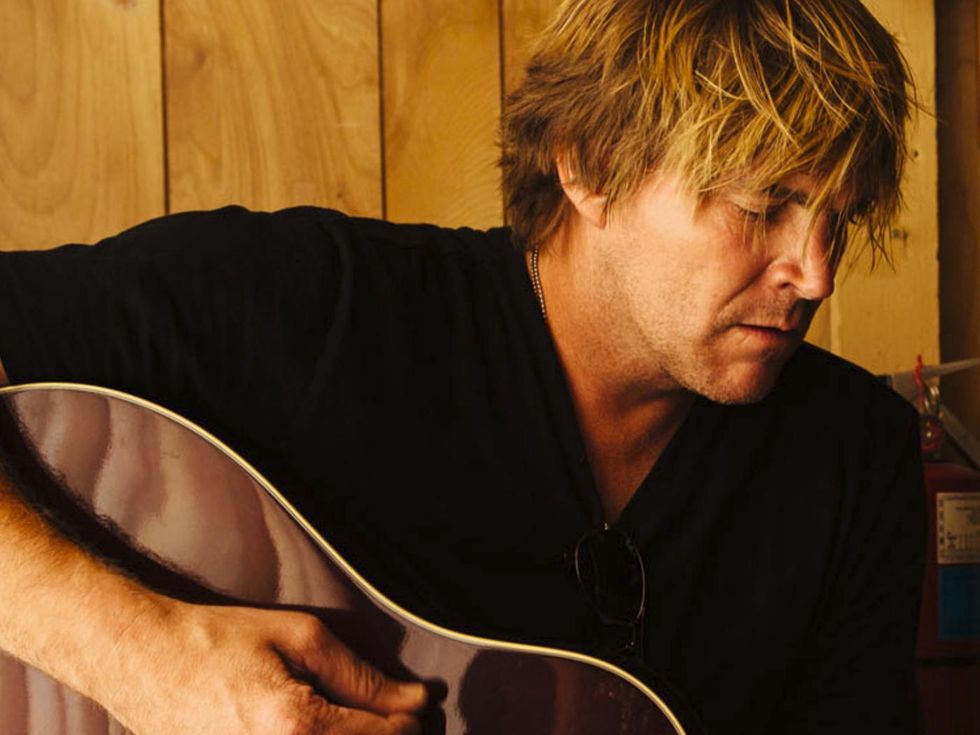
The Fort Worth Music Festival & Conference, taking place in multiple venues in the Fort Worth Stockyards, features panel discussions and keynote speakers with live music industry executives, networking opportunities, workshops, and live performances. Performers will include Terry Hendrix & Lloyd Maines, Josh Weathers, Stoney LaRue, Jack Ingram, Tracy Byrd, Josh Abbott Band, Wade Bowen, Ray Wylie Hubbard, Larry Joe Taylor, and more. The festival takes place through March 1.
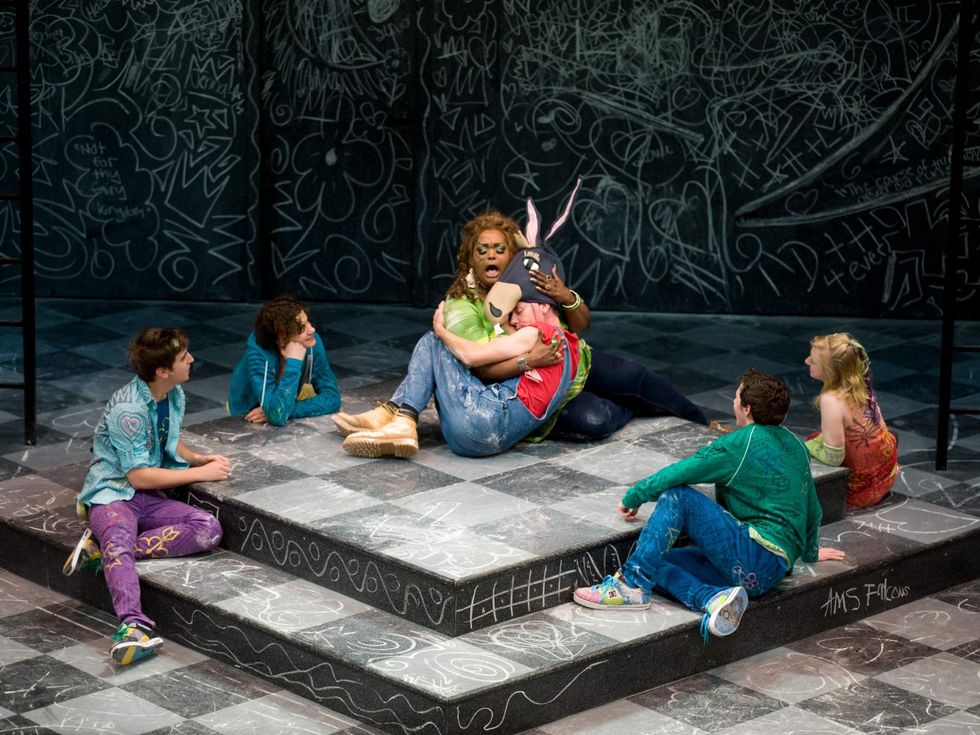
Theatre Wesleyan presents The Complete Works of William Shakespeare (Abridged) [Revised] [Again]
Fast-paced, witty, and physical, three actors present all 37 of Shakespeare’s plays in just 97 minutes in The Complete Works of William Shakespeare (Abridged) [Revised] [Again]. Full of laughter for Shakespeare lovers and haters alike, the production celebrates the most popular and prolific playwright of all-time. It runs through March 8 at Theatre Wesleyan on the Texas Wesleyan University campus.
The Cliburn presents Camille Thomas + Julien Brocal
The Cliburn will welcome cellist Camille Thomas for her second Cliburn Concerts appearance. The Franco-Belgian artist was the first cellist in more than 40 years (and first-ever female cellist) signed to Deutsche Grammophon and was named to the Forbes 30 under 30 - Europe Art & Culture. For this concert at Kimbell Art Museum, she'll collaborate with French pianist Julien Brocal.
Friday, February 27
Magnolia at the Modern: Oscar-Nominated Short Films
With two weeks to go until the 2026 Academy Awards, the Modern Art Museum of Fort Worth is giving film fans a chance to see every nominated film in all three short film categories: Live Action, Animated, and Documentary. Whether it's to get an edge in your Oscars pool or just for enjoyment, the screenings are a way to see some great filmmaking that rarely gets such a showcase. The screenings, separated by category, will take place through Sunday.
Acute Inflections presents Soulful Sounds
Harlem Renaissance will meet today’s vibe with the music and comedy of Acute Inflections at Soulful Sounds. The NYC-based jazzy R&B duo will perform duets, comedy, and freestyles with the chemistry of Lucy and Ricky. Ticket sales will help support the Renaissance Youth Center, a South Bronx-based charity that empowers inner-city youth through music education, after-school programs, and tutoring. The concert takes place at Rose Marine Theater.
Casa Mañana presents Hairspray
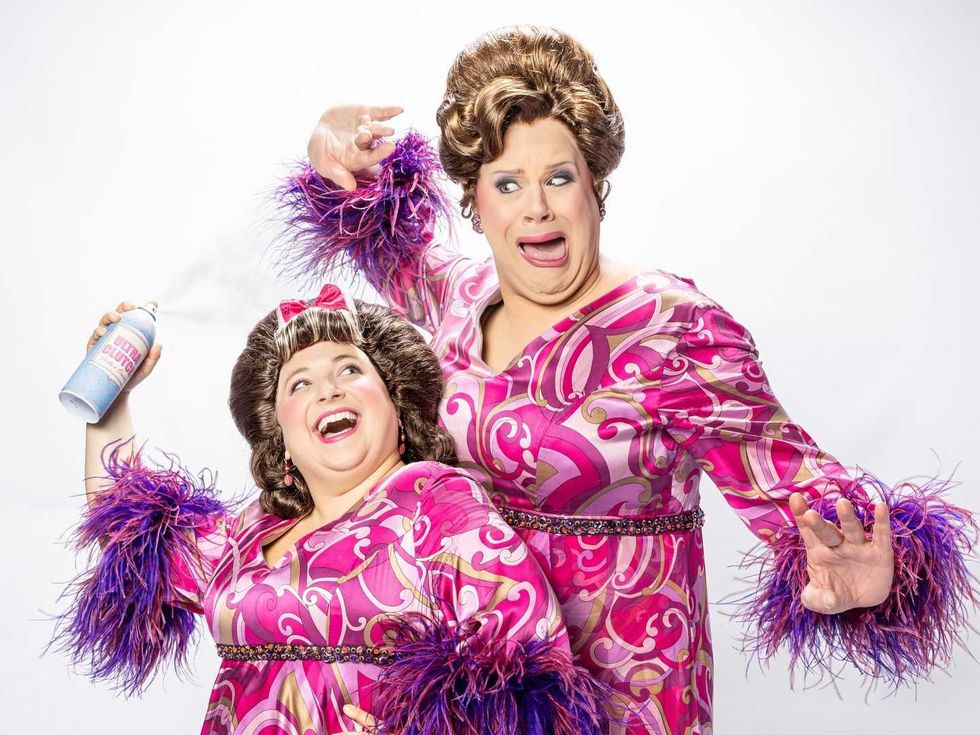
Set in 1962 Baltimore, Hairspray follows Tracy Turnblad, a big-hearted teen with dreams of dancing on The Corny Collins Show. As she fights for a chance to shine, Tracy challenges outdated norms and pushes for a more inclusive future. Filled with laughter, love, and larger-than-life characters, the musical is a joyous celebration of change and the power of believing in yourself. The production runs through March 8 at Casa Mañana.
Eric Church in concert
Country singer Eric Church is a seven-time ACM Award winner, four-time CMA Award winner (including 2020’s Entertainer of the Year), and 10-time Grammy nominee, including three nods for Best Country Album. He'll play at Dickies Arena in support of his new album, Evangeline vs. The Machine, joined by special guest Stephen Wilson Jr.
Fort Worth Symphony Orchestra presents "Shakespeare at the Symphony"
Under the direction of Robert Spano and Kevin Moriarty, the Fort Worth Symphony Orchestra and Dallas Theater Center will collaborate to bring musical drama and theatrical intrigue center stage at "Shakespeare at the Symphony." Selections include Mendelssohn’s A Midsummer Night’s Dream, which captures the lightness of Shakespeare’s fairies with quick, clever melodies, and Prokofiev’s militant take on the Montagues and Capulets in his love theme for Romeo and Juliet. There will be three performances through Sunday at Bass Performance Hall.
Tracy Byrd in concert
Country singer Tracy Byrd was part of the early 1990s country boom alongside acts like Garth Brooks, Alan Jackson, and more. He became a success thanks to hits like "Holdin' Heaven," "Lifestyles of the Not So Rich and Famous," "Watermelon Crawl," "The Keeper of the Stars," and more. He's released 10 albums in his career, with the most recent being 2016's All American Texan. He'll play at Billy Bob's Texas.
Saturday, February 28
Lady Gaga in concert
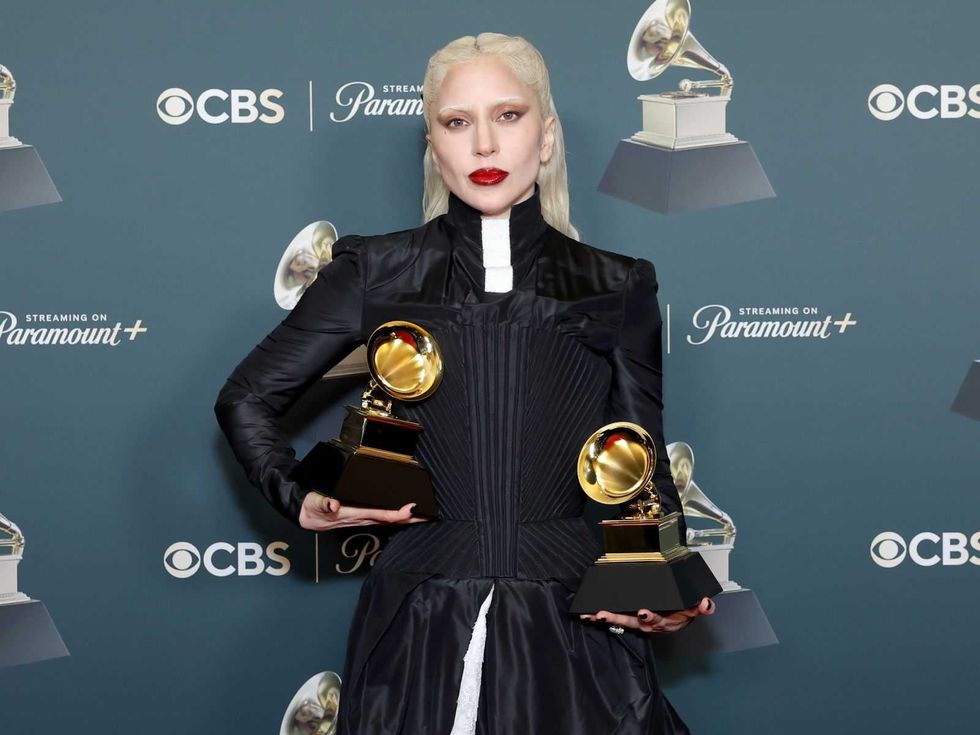
There's no current musical act quite like Lady Gaga. The singer has always marched to the beat of her own drum, and her uniqueness has garnered her a fandom, the Little Monsters, that is also unlike any other out there. She has been immensely popular since her debut in 2008, and with her latest album, Mayhem, going to No. 1 around the world, that won't be changing anytime soon. She'll perform at Dickies Arena on both Saturday and Sunday.
Josh Abbott Band in concert
The Josh Abbott Band, which was formed in Lubbock while all the members were students at Texas Tech, is part of the next generation of Red Dirt/Texas Country acts alongside Eli Young Band, Randy Rogers Band, and more. They have released seven albums in their career, including Somewhere Down The Road in 2024. They'll play at Billy Bob's Texas.
Sunday, March 1
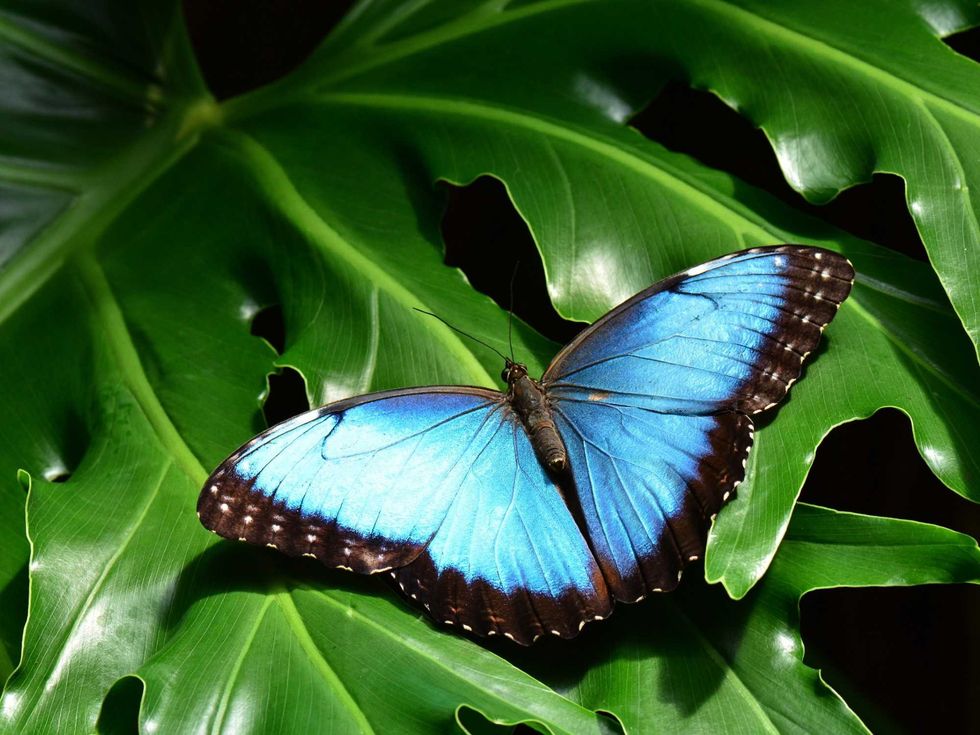
Fort Worth Botanic Garden presents Butterflies in the Garden
Visitors can witness the transformation of nature and marvel at the sight of brilliantly colored living jewels fluttering in the Rainforest Conservatory of Fort Worth Botanic Garden during Butterflies in the Garden, the largest exhibit of live, exotic butterflies in North Central Texas. Exhibit visitors will have the chance to see a diverse collection of butterflies from various parts of the world, including Central, North and South America, Africa, and Asia. The event takes place daily through April 30.