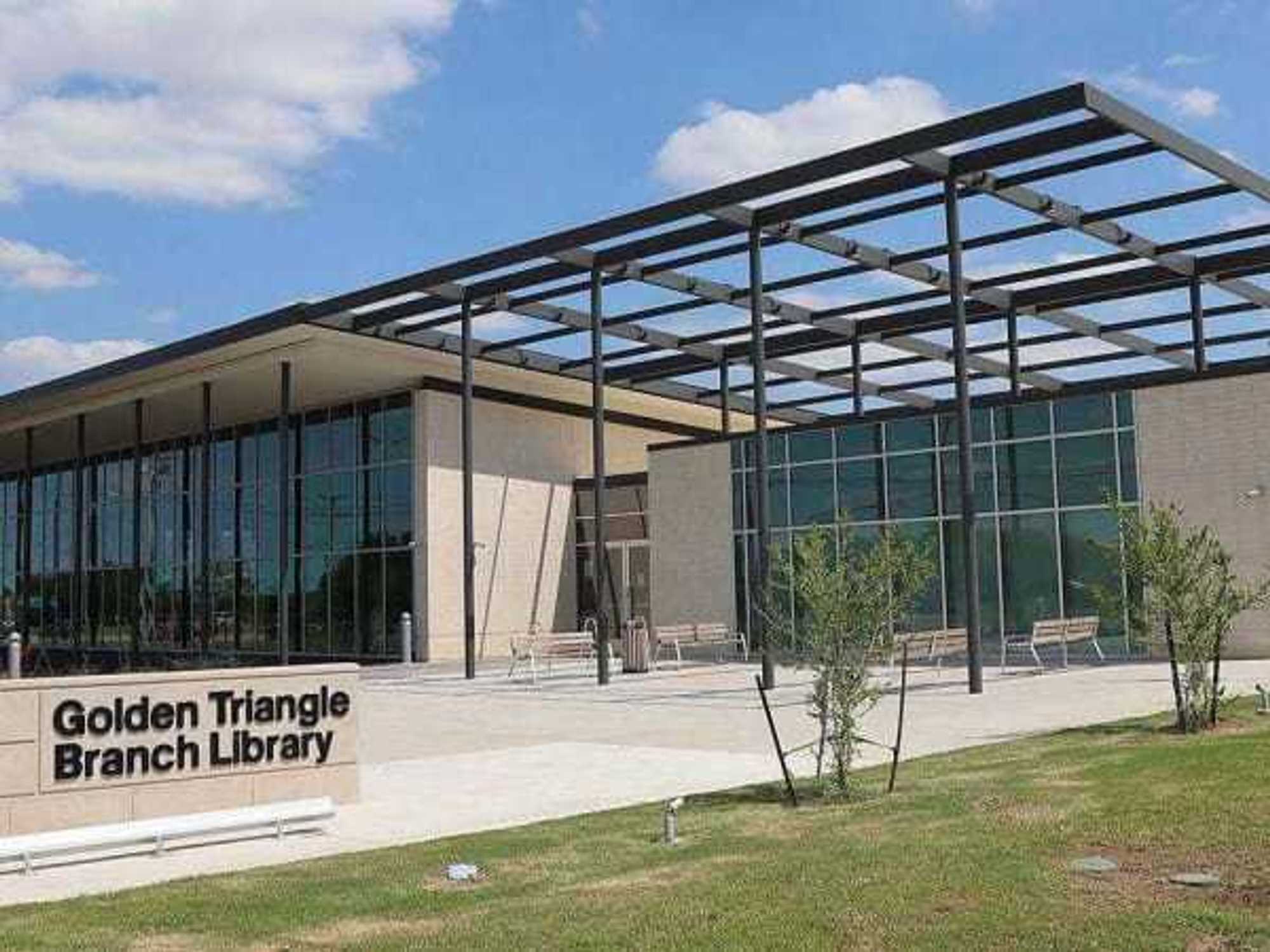
A new statewide study examining the economic impacts of public libraries has revealed they have generated over $3.8 billion in value to local communities — a return of $4.74 for every $1 invested.
The report, "Beyond the Stacks: Measuring the Economic and Community Value of Texas Public Libraries" was conducted by third-party consultancy JBK Economics Group in partnership with the Texas Library Association. About 300 of the total 513 public libraries in Texas participated in a survey for the report.
A major finding from the survey revealed that public libraries create billions in economic value for the communities they serve at a fraction of what it costs to pay employee wages and benefits, operating expenditures, and capital expenditures. About 11,200 jobs were directly and indirectly supported by public libraries, the report found.
The report found its $4.74 to $1 ratio by adding up the total value of the services provided by these institutions (an estimated $2.48 billion), and comparing it to total expenditures ($808.6 million).
"Public libraries had about the same economic footprint as the Texas motion picture and sound recording industry ($2.9 billion in Gross Domestic Product in 2024) or the Texas paper manufacturing industry ($4.0 billion in Gross Domestic Product in 2024)," the report said.
Many North Texans are already familiar with Fort Worth Public Library's expansive catalog and programming, but there are many more services the library provides that might fly under the radar. A few examples include free passes to the Fort Worth Botanic Garden and Fort Worth Nature Center and Refuge, access to subscription-based research databases and news outlets, musical instrument lending, and much more. Individual branches also provide free Wi-Fi, computer access, and meeting spaces.
Residents outside Fort Worth also have access to services at several other local libraries, depending on their address. For instance, Keller Public Library offers borrowing access to non-residents in nearby cities that participate in MetroShare, which includes Burleson, Benbrook, Forest Hill, Decatur, Haltom City, Haslet, Richland Hills, Roanoke, Saginaw, and Watauga.
These are additional services and partnerships that Texas public libraries commonly provide, per the survey results:
- 93 percent provide voter registration and/or serve as voting locations
- 84 percent provide partnerships with local social services agencies
- 82 percent provide job application assistance
- 68 percent facilitate applications for government benefits
- 38 percent provide on-site social services
- 30 percent provide telehealth rooms and/or resources
"Public libraries are practical, welcoming and rooted in the communities they serve — they are unmistakably Texan," said Texas Library Association executive director Shirley Robinson in a press release. "This study puts a dollar value on the opportunities libraries create every day. Whether someone visits a library to apply for a job, access the internet, learn a new skill or simply find a new favorite book, those services create real value for Texans and their communities."

 Bobby Clark, Wendi Clark at the Tastemakers. Photo by Guillermo Rosas